
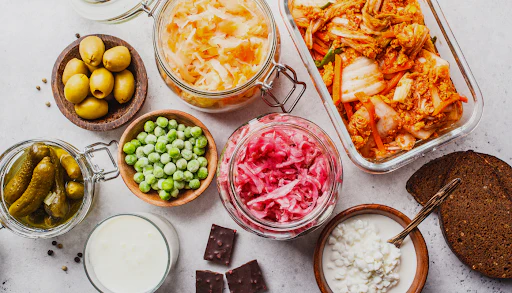
In today’s fast-paced world, chronic inflammation is a silent culprit behind many health issues, from joint pain to heart disease. But what if the solution was as simple as turning to the vibrant world of plant-based foods? Enter the power of plants—nature’s arsenal against inflammation. This article dives into vegan recipes that harness anti-inflammatory superstars like turmeric, berries, and leafy greens. Whether you’re a seasoned vegan or just dipping your toes into plant-powered eating, these recipes offer delicious ways to combat inflammation while savoring every bite. Discover how these healthy vegan meals can transform your diet and boost your well-being.
Why Fight Inflammation with Vegan Recipes?
Chronic inflammation isn’t just a buzzword—it’s your body’s overzealous response to stress, poor diet, and environmental factors. Unlike acute inflammation (think healing a cut), the chronic kind simmers in the background, contributing to conditions like arthritis, diabetes, and even cognitive decline. The good news? A plant-based diet rich in antioxidants and phytonutrients can dial down this fire naturally.
Vegan recipes shine here because they emphasize whole foods packed with fiber, vitamins, and compounds that neutralize free radicals. Studies, including those from the Journal of the Academy of Nutrition and Dietetics, show that vegan diets lower inflammatory markers like C-reactive protein (CRP) more effectively than omnivorous ones. Plus, these meals are versatile, budget-friendly, and kind to the planet. Ready to harness the power of plants? Let’s explore the key players.
Top Anti-Inflammatory Plant-Based Foods to Know
Before we whip up recipes, let’s spotlight the heroes. These vegan-friendly foods are loaded with bioactive compounds that target inflammation at its root. Incorporate them into your vegan recipes for maximum impact.
Turmeric: The Golden Spice of Healing
Turmeric’s active compound, curcumin, is a potent anti-inflammatory powerhouse. It blocks enzymes that trigger swelling, much like some over-the-counter meds, but without the side effects. Add it to smoothies or curries for a warm, earthy kick.
Berries: Antioxidant Bombs in Tiny Packages
Blueberries, strawberries, and raspberries burst with anthocyanins, flavonoids that reduce oxidative stress. A handful a day can lower inflammation by up to 20%, per research in the American Journal of Clinical Nutrition. They’re perfect for desserts or breakfast bowls.
Leafy Greens: Nature’s Detox Duo
Kale, spinach, and Swiss chard are rich in vitamins K, A, and C, plus sulforaphane, which detoxifies inflammatory triggers. These greens support gut health, where 70% of your immune system resides.
Ginger: Zesty Root for Joint Relief
Gingerols in ginger rival NSAIDs for pain relief. It’s especially great for digestive inflammation, making it a staple in teas and stir-fries.
Nuts and Seeds: Omega-3 Powerhouses
Walnuts, flaxseeds, and chia seeds deliver plant-based omega-3s (ALA) that compete with pro-inflammatory omega-6s. Just a tablespoon can shift your fatty acid balance toward calm.
Garlic and Onions: Sulfur’s Secret Weapons
These alliums contain allicin, which inhibits inflammatory pathways. They’re flavor boosters that make any vegan recipe sing.
Stock your pantry with these, and you’re set for inflammation-fighting success.
Mouthwatering Vegan Recipes to Combat Inflammation
Now, the fun part: recipes! These five easy vegan meals feature our anti-inflammatory stars. Each serves 2-4, takes under 45 minutes, and is bursting with flavor. No fancy equipment needed—just whole plants doing their magic.
Golden Turmeric Smoothie Bowl (10 Minutes Prep)
Kickstart your day with this creamy, vibrant bowl. It’s a breakfast vegan recipe that fights inflammation while keeping you full.
Ingredients:
- 2 frozen bananas
- 1 cup almond milk (unsweetened)
- 1 tsp ground turmeric
- 1-inch fresh ginger, grated
- ½ cup blueberries
- Toppings: Chia seeds, sliced almonds, fresh strawberries
Instructions:
- Blend bananas, almond milk, turmeric, and ginger until smooth.
- Pour into bowls and swirl in blueberries.
- Sprinkle toppings and dig in.
This smoothie delivers 200mg of curcumin per serving, plus ginger’s zing for gut-soothing bliss. Pro tip: Add black pepper to enhance turmeric absorption by 2,000%.
Berry-Ginger Quinoa Salad (20 Minutes Prep)
A refreshing lunch option, this salad combines berries’ sweetness with ginger’s heat for an anti-inflammatory punch.
Ingredients:
- 1 cup cooked quinoa
- 1 cup mixed berries (strawberries, raspberries)
- 1 cucumber, sliced
- 1 tbsp fresh ginger, minced
- 2 cups spinach
- Dressing: 2 tbsp olive oil, 1 tbsp lemon juice, salt to taste
Instructions:
- Toss quinoa, berries, cucumber, ginger, and spinach in a bowl.
- Whisk dressing and drizzle over.
- Chill for 10 minutes to let flavors meld.
Packed with 5g fiber and antioxidants, this vegan recipe supports heart health by reducing LDL oxidation.
Kale and Walnut Stir-Fry with Garlic (25 Minutes Prep)
Dinner made simple: This stir-fry uses leafy greens and nuts for a savory, crunchy delight.
Ingredients:
- 4 cups kale, chopped
- ½ cup walnuts, toasted
- 3 garlic cloves, minced
- 1 onion, sliced
- 1 tbsp olive oil
- Soy sauce or tamari to taste
Instructions:
- Heat oil in a wok; sauté onion and garlic for 2 minutes.
- Add kale and stir-fry until wilted (5 minutes).
- Toss in walnuts and soy sauce; serve hot.
Omega-3s from walnuts pair with garlic’s allicin to ease joint inflammation—ideal post-workout.
Chia Seed Pudding with Anti-Inflammatory Berries (Overnight Prep)
End your day sweetly with this no-cook dessert. It’s a creamy vegan treat loaded with omega-3s.
Ingredients:
- ¼ cup chia seeds
- 1 cup coconut milk
- 1 tsp vanilla extract
- 1 cup mixed berries
- Optional: Dash of cinnamon
Instructions:
- Mix chia, milk, and vanilla; refrigerate overnight.
- Top with berries and cinnamon in the morning.
One serving nets 10g ALA omega-3s, proven to lower CRP levels in vegan diets.
Turmeric-Ginger Lentil Curry (40 Minutes Prep)
For a hearty main, this curry simmers lentils with our golden duo—comfort food with healing vibes.
Ingredients:
- 1 cup red lentils
- 1 onion, diced
- 2 tsp turmeric
- 1 tbsp grated ginger
- 2 garlic cloves, minced
- 1 can coconut milk
- Spinach handful
- Spices: Cumin, coriander to taste
Instructions:
- Sauté onion, garlic, ginger in oil for 3 minutes.
- Add spices, lentils, and water; simmer 20 minutes.
- Stir in coconut milk and spinach; cook 5 more minutes.
This vegan recipe serves up protein and anti-inflammatory spices for sustained energy.
Simple Tips for an Anti-Inflammatory Vegan Lifestyle
Incorporating these foods doesn’t require a total overhaul. Start small:
- Swap it up: Replace white rice with quinoa in meals.
- Batch prep: Make smoothies or salads on Sundays.
- Season smart: Always pair turmeric with fat and pepper.
- Hydrate and move: Pair your vegan recipes with herbal teas and daily walks for amplified effects.
- Track progress: Note how you feel after a week—less bloating? Sharper focus?
Consistency is key; aim for colorful plates daily.
Embrace the Plant Power: Your Path to Less Inflammation
The power of plants isn’t hype—it’s backed by science and seasoned with flavor. These vegan recipes prove that fighting inflammation can be joyful and simple. From smoothies to curries, each bite invites healing into your life. Ready to glow from the inside out? Stock up on berries and turmeric today, and let your kitchen become your wellness hub. Share your twists in the comments—what’s your go-to anti-inflammatory vegan recipe?
Frequently Asked Questions (FAQs)
What are the best vegan foods for reducing inflammation?
Top picks include turmeric, berries, leafy greens like kale, ginger, walnuts, chia seeds, and garlic. These provide antioxidants, omega-3s, and phytonutrients that target inflammatory pathways.
Can vegan recipes really help with chronic conditions like arthritis?
Yes! Plant-based diets rich in anti-inflammatory foods can reduce joint pain and swelling, as shown in studies from the Arthritis Foundation. Focus on whole foods over processed ones for best results.
How often should I eat anti-inflammatory vegan meals?
Aim for every meal—incorporate at least one key food per dish. Consistency over two weeks can yield noticeable benefits, like improved energy and less puffiness.
Are there any vegan supplements for extra anti-inflammation support?
While food first is ideal, vegan options like curcumin capsules or algae-based omega-3s can help. Consult a doctor before starting, especially if on medications.
What’s a quick beginner vegan recipe to fight inflammation?
Try the Golden Turmeric Smoothie Bowl—it’s 10 minutes, no cooking, and packs a curcumin-ginger duo for instant relief.