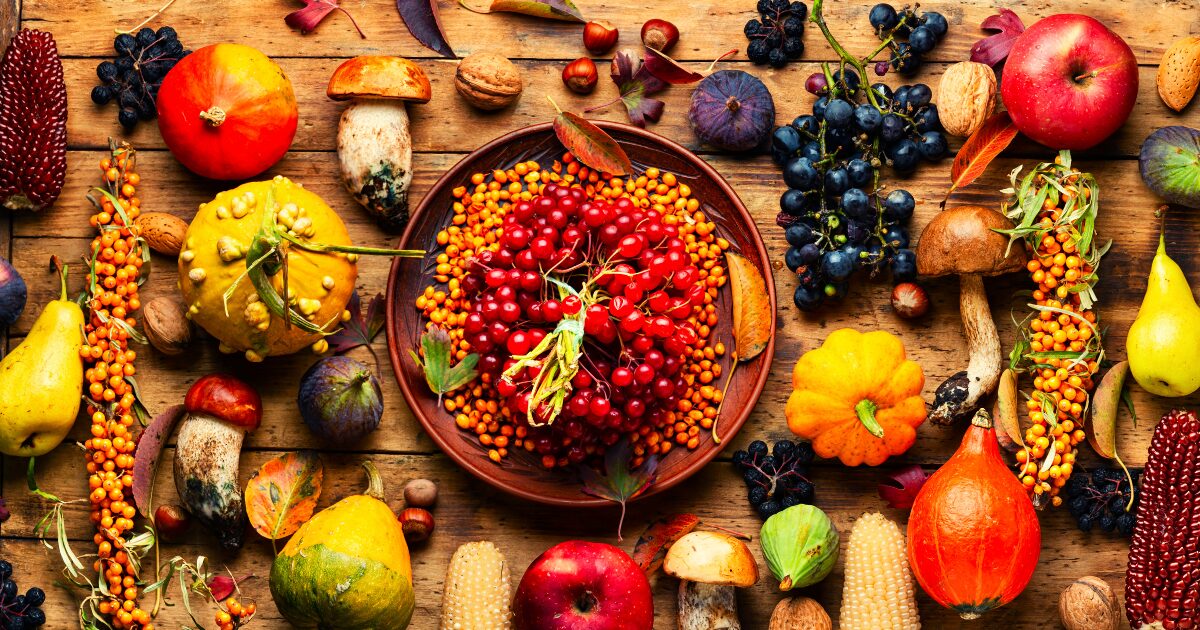
As the leaves turn vibrant shades of orange and red, fall ushers in a bounty of seasonal healthy foods that not only tantalize your taste buds but also supercharge your body with essential vitamins. From crisp apples to hearty squashes, autumn’s harvest is a nutritional powerhouse. Embracing these ingredients in your meals means enjoying flavorful dishes while supporting immune health, skin glow, and overall vitality. In this guide, we’ll explore why seasonal eating shines in fall, spotlight vitamin-rich staples, and share easy, delicious fall recipes to elevate your table. Ready to savor the season? Let’s dive in.
The Benefits of Eating Seasonal Foods in Fall
Fall’s cooler weather naturally draws us toward comforting, nutrient-dense meals. But beyond the cozy appeal, choosing seasonal healthy foods offers a cascade of advantages for your well-being and the planet.
Nutritional Advantages of Fall Produce
Autumn veggies and fruits are harvested at peak ripeness, locking in maximum vitamins and antioxidants. For instance, beta-carotene in pumpkins converts to vitamin A, bolstering vision and immunity—perfect as flu season looms. Leafy greens like kale provide vitamin K for bone health, while apples deliver vitamin C to fight oxidative stress. Studies show seasonal eating can increase your intake of these nutrients by up to 20%, making it a smart strategy for vibrant health.
Environmental and Economic Perks
Opting for in-season produce reduces your carbon footprint since it’s grown and transported locally, cutting emissions by as much as 50%. Plus, it’s often more affordable—think farm stands overflowing with deals on squashes and berries. This approach supports sustainable farming and keeps your grocery budget in check without skimping on flavor or freshness.
Must-Have Fall Ingredients Loaded with Vitamins
Stock your kitchen with these autumn stars. Each one packs a vitamin punch, ensuring your fall recipes are as healthful as they are hearty.
- Pumpkins and Winter Squashes: Rich in vitamin A (over 200% DV per cup) for eye health and anti-inflammation. Their natural sweetness shines in soups and bakes.
- Apples: A fiber-vitamin C duo (14% DV) that aids digestion and collagen production. Choose tart varieties for salads or warm crumbles.
- Kale and Brussels Sprouts: Vitamin K powerhouses (over 1000% DV) for blood clotting and heart support. Roast them for caramelized crunch.
- Pears and Cranberries: Pears offer vitamin E for skin repair, while cranberries bring vitamin C and urinary tract benefits. Tart-sweet combos for sauces and smoothies.
- Sweet Potatoes: Loaded with vitamin B6 for mood regulation and energy. Their earthy notes pair perfectly with savory herbs.
These ingredients aren’t just nutritious—they transform everyday meals into fall feasts bursting with color and taste.
Delicious Fall Recipes Packed with Vitamins
Why settle for bland when you can whip up these simple, SEO-friendly fall recipes? Each serves 4, takes under an hour, and highlights seasonal healthy foods for maximum flavor and nutrition. We’ve kept them gluten-free and veggie-forward for broad appeal.
Hearty Pumpkin Vitamin A Soup
This velvety soup harnesses pumpkin’s vitamin A glory, blended with ginger for digestion-boosting zing.
Ingredients:
- 4 cups pumpkin puree (fresh or canned)
- 1 onion, diced
- 2 garlic cloves, minced
- 4 cups vegetable broth
- 1 tsp ground ginger
- Salt and pepper to taste
- Optional: Coconut milk for creaminess
Instructions:
- Sauté onion and garlic in olive oil until soft (5 mins).
- Add pumpkin, broth, and ginger; simmer 20 mins.
- Blend until smooth, season, and serve topped with pumpkin seeds.
Per serving: 150 calories, 250% DV vitamin A. A warming hug in a bowl!
Crisp Apple Kale Salad with Vitamin C Kick
Crunchy, refreshing, and loaded with vitamin C from apples and kale’s vitamin K for a salad that fights fall sniffles.
Ingredients:
- 4 cups kale, destemmed and massaged
- 2 apples, thinly sliced
- 1/2 cup cranberries
- 1/4 cup walnuts, toasted
- Dressing: 2 tbsp olive oil, 1 tbsp apple cider vinegar, 1 tsp Dijon mustard
Instructions:
- Toss kale, apples, cranberries, and walnuts in a bowl.
- Whisk dressing and drizzle over; mix well.
- Let sit 10 mins for flavors to meld.
Per serving: 220 calories, 100% DV vitamin C. Ideal as a side or light lunch.
Roasted Butternut Squash with Vitamin-Rich Herbs
Golden, caramelized squash delivers vitamin A and E, roasted with rosemary for an antioxidant boost.
Ingredients:
- 1 large butternut squash, cubed
- 2 tbsp olive oil
- 2 tsp fresh rosemary, chopped
- 1 tsp garlic powder
- Sea salt and black pepper
Instructions:
- Preheat oven to 400°F (200°C).
- Toss squash with oil, herbs, and seasonings; spread on a baking sheet.
- Roast 25-30 mins, flipping halfway, until tender and browned.
Per serving: 180 calories, 150% DV vitamin A. Pairs beautifully with grilled chicken or quinoa.
These recipes prove that healthy fall eating can be effortless and indulgent—swap in your favorite seasonal finds for endless variations.
Tips for Incorporating More Seasonal Foods into Your Routine
Maximize the magic of fall recipes with these pro tips:
- Shop Smart: Visit farmers’ markets mid-week for the freshest picks and best prices.
- Prep Ahead: Cube squashes or chop kale on Sundays to streamline weeknight cooking.
- Flavor Boost: Experiment with cinnamon, nutmeg, or sage to enhance natural sweetness without added sugar.
- Storage Hacks: Keep apples in the fridge crisper to lock in vitamin C; freeze extra pumpkin puree for smoothies.
- Meal Plan: Build around one seasonal ingredient per meal—pumpkin breakfast oats, anyone?
By weaving these habits in, you’ll naturally amp up your vitamin intake while keeping things deliciously diverse.
FAQs About Seasonal Healthy Foods and Fall Recipes
What are the best seasonal healthy foods for fall?
Fall shines with vitamin-packed gems like pumpkins (vitamin A), apples (vitamin C), kale (vitamin K), and sweet potatoes (B vitamins). These support immunity and energy as temperatures drop.
How do seasonal foods benefit vitamin intake?
Eaten at peak ripeness, fall produce delivers higher nutrient density—up to 30% more vitamins than out-of-season imports—thanks to shorter farm-to-table journeys.
Are these fall recipes easy for beginners?
Absolutely! Our recipes use simple steps and pantry staples, ready in under an hour. Start with the pumpkin soup for foolproof results.
Can I make these recipes vegan or dairy-free?
Yes—all are naturally vegan and dairy-free. Add plant-based proteins like lentils to the soup for extra staying power.
Where can I find more fall recipe ideas?
Explore local harvest guides or apps like those from the USDA for region-specific seasonal healthy foods. Experiment with fusions, like pear-cranberry salsa!
Embrace fall’s bounty today—your body (and palate) will thank you. Share your twists on these recipes in the comments!