
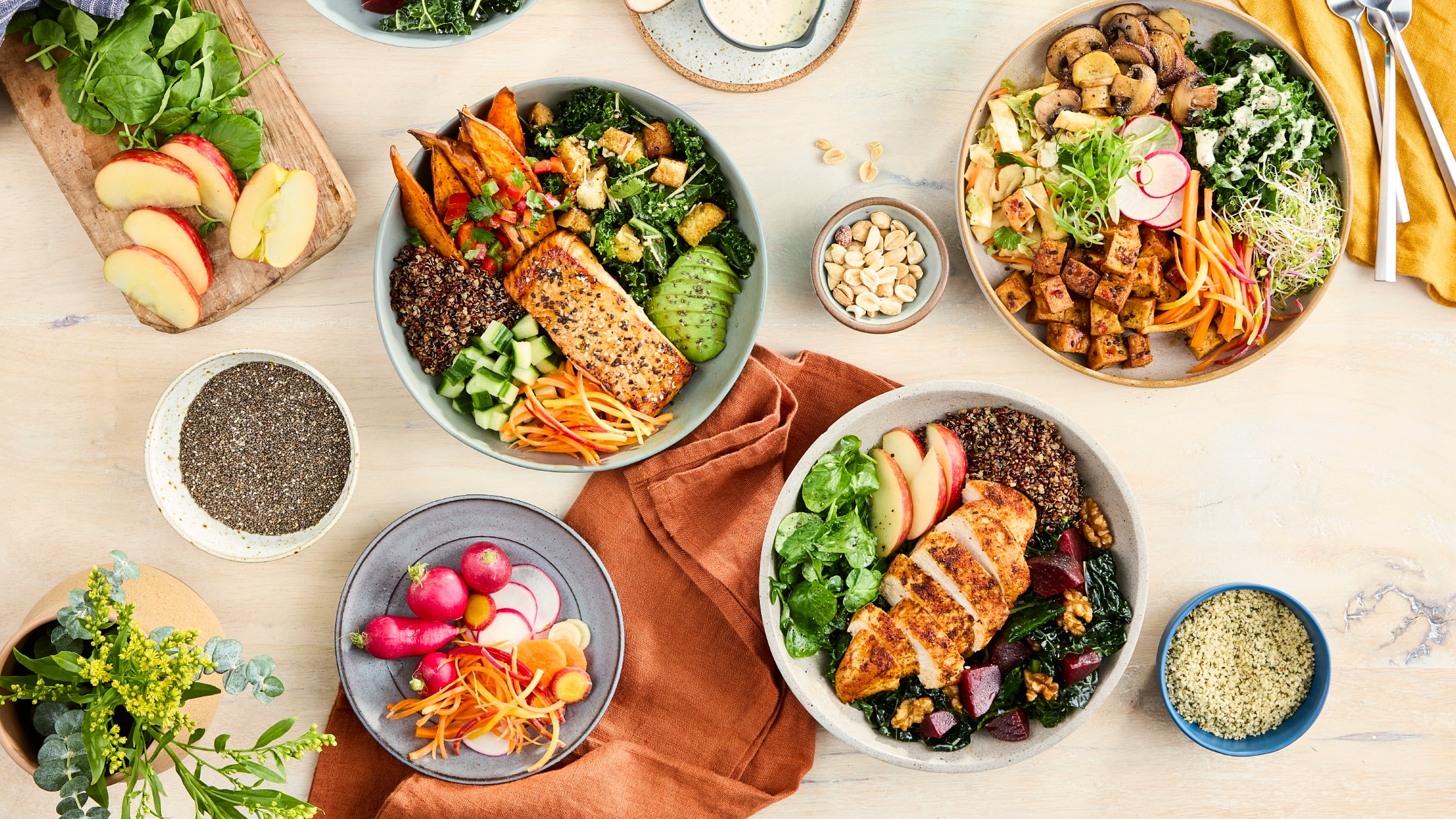
In a world buzzing with processed foods and fast-paced lifestyles, embracing the “farm to fork” philosophy offers a refreshing path to vibrant health. This approach celebrates seasonal whole foods—fresh, nutrient-packed produce straight from the earth—delivered to your table with minimal intervention. By focusing on simple healthy recipes that highlight these gems, you not only nourish your body but also support sustainable farming and reduce your environmental footprint. In this guide, we’ll explore the magic of seasonal eating, share easy recipes bursting with fall flavors, and equip you with tips to make it a seamless habit. Ready to transform your meals into colorful, crave-worthy creations? Let’s dive in.
Why Choose Seasonal Whole Foods for Vibrant Health?
Seasonal whole foods are nature’s multivitamins, harvested at their peak ripeness for maximum flavor and nutrition. Unlike out-of-season imports that lose potency during long hauls, these local treasures deliver antioxidants, vitamins, and fiber that combat inflammation, boost immunity, and energize your days.
The Nutritional Edge of Farm-Fresh Produce
Think crisp apples, hearty kale, and velvety butternut squash in autumn—these aren’t just delicious; they’re powerhouse ingredients. For instance, fall’s vibrant orange veggies like pumpkins are loaded with beta-carotene, which supports eye health and glowing skin. Studies from the Journal of Agricultural and Food Chemistry highlight how seasonal fruits and veggies retain up to 30% more nutrients than their shipped counterparts. Incorporating them into simple healthy recipes means effortless upgrades to your diet, promoting weight management, heart health, and even better mood through phytonutrient diversity.
Environmental and Economic Wins
Going farm to fork isn’t just good for you—it’s planet-friendly. Local sourcing cuts down on carbon emissions from transportation, while supporting small farmers keeps communities thriving. Plus, these foods are often more affordable at their peak season, making vibrant health accessible without breaking the bank.
Sourcing the Best Seasonal Whole Foods
The key to unforgettable farm-to-fork meals starts with smart shopping. Visit farmers’ markets, join a community-supported agriculture (CSA) box, or scout grocery sections for in-season labels. In October, stock up on apples, root vegetables, leafy greens, and winter squashes. Pro tip: Look for blemish-free items with vibrant colors—these signal peak freshness.
Building a Seasonal Pantry Staples List
- Fruits: Apples, pears, cranberries.
- Vegetables: Kale, Brussels sprouts, carrots, sweet potatoes.
- Grains and Proteins: Quinoa, lentils, nuts for wholesome pairings.
Aim for variety to ensure a broad nutrient spectrum, turning everyday cooking into a seasonal adventure.
4 Simple Healthy Recipes Using Seasonal Whole Foods
These recipes are designed for busy folks: minimal ingredients, quick prep, and no fancy gadgets required. Each serves 4 and clocks in under 45 minutes, proving that simple healthy recipes can be both nourishing and indulgent.
Roasted Autumn Root Vegetables with Herbs (Prep: 10 mins, Cook: 30 mins)
This colorful side dish turns humble roots into a caramelized delight, perfect for weeknight dinners or meal prep.
Ingredients:
- 4 medium carrots, peeled and sliced
- 2 parsnips, peeled and sliced
- 1 sweet potato, cubed
- 2 tbsp olive oil
- 1 tsp dried rosemary
- Salt and pepper to taste
Instructions:
- Preheat oven to 400°F (200°C). Toss veggies with oil, rosemary, salt, and pepper on a baking sheet.
- Roast for 25-30 minutes, flipping halfway, until tender and golden.
- Serve warm as a side or over greens for a light lunch.
Packed with fiber and vitamin A, this recipe supports digestion and sustained energy—ideal for vibrant health on the go.
Kale and Apple Salad with Maple Vinaigrette (Prep: 15 mins, No Cook)
Crunchy, tangy, and refreshing, this salad showcases fall’s apple bounty for a detoxifying midday boost.
Ingredients:
- 1 bunch kale, stems removed and chopped
- 2 apples, thinly sliced
- 1/4 cup toasted walnuts
- 1/4 cup dried cranberries
- Dressing: 3 tbsp olive oil, 2 tbsp apple cider vinegar, 1 tbsp maple syrup, 1 tsp Dijon mustard
Instructions:
- Massage kale with a pinch of salt for 2 minutes to soften.
- Toss with apples, walnuts, and cranberries.
- Whisk dressing ingredients and drizzle over salad just before serving.
This nutrient-dense bowl aids liver health with its greens and antioxidants, making it a staple for seasonal whole foods enthusiasts.
Creamy Butternut Squash Soup (Prep: 10 mins, Cook: 25 mins)
Velvety and comforting, this soup harnesses squash’s natural sweetness for immune-boosting warmth.
Ingredients:
- 1 medium butternut squash, peeled and cubed
- 1 onion, diced
- 2 garlic cloves, minced
- 4 cups vegetable broth
- 1 tsp ground ginger
- 1/2 cup coconut milk
- Salt and pepper to taste
Instructions:
- Sauté onion and garlic in a pot over medium heat with a splash of broth for 5 minutes.
- Add squash, remaining broth, and ginger; simmer 20 minutes until soft.
- Blend until smooth, stir in coconut milk, and season. Garnish with pumpkin seeds.
Rich in vitamin C and anti-inflammatory compounds, it’s a cozy hug for your gut microbiome.
Baked Apple Oat Crumble (Prep: 15 mins, Cook: 30 mins)
End your day sweetly with this fiber-filled dessert that swaps refined sugar for whole-food goodness.
Ingredients:
- 4 apples, cored and sliced
- 1 cup rolled oats
- 1/4 cup chopped pecans
- 2 tbsp honey
- 1 tsp cinnamon
- 1 tbsp coconut oil, melted
Instructions:
- Preheat oven to 375°F (190°C). Arrange apples in a baking dish; drizzle with 1 tbsp honey and half the cinnamon.
- Mix oats, pecans, remaining honey, cinnamon, and oil; sprinkle over apples.
- Bake 25-30 minutes until bubbly and golden.
This treat stabilizes blood sugar while delivering heart-healthy fats, proving desserts can fuel vibrant health.
Tips for Integrating Farm-to-Fork Eating into Your Routine
Transitioning to seasonal whole foods doesn’t require a total overhaul. Start small: Swap one meal a week with these simple healthy recipes. Batch-cook soups or roasts for easy grabs, and experiment with herb swaps to keep things fresh. Track how you feel—many report clearer skin and steady energy after just two weeks. Remember, vibrant health blooms from consistency, not perfection.
Conclusion: Harvest the Benefits of Seasonal Eating
From the soil to your spoon, the farm-to-fork journey with seasonal whole foods is a delicious shortcut to vitality. These simple healthy recipes prove that wholesome meals can be effortless and exciting, fueling your body with the best nature offers. Whether you’re roasting roots or blending soups, embrace the seasons for flavors that pop and health that lasts. What’s your first recipe to try? Share in the comments and let’s cultivate a community of vibrant eaters!
FAQs: Simple Healthy Recipes Using Seasonal Whole Foods
What are the best seasonal whole foods for fall recipes?
Fall shines with apples, pears, kale, Brussels sprouts, carrots, sweet potatoes, and winter squashes. These provide a mix of vitamins, fiber, and antioxidants for immune support and seasonal wellness.
How do simple healthy recipes benefit vibrant health?
They emphasize unprocessed ingredients, reducing inflammation and boosting nutrient absorption. Regular use can improve digestion, energy levels, and mental clarity while minimizing exposure to additives.
Can I adapt these recipes for different seasons?
Absolutely! Swap fall veggies for spring greens like asparagus or summer berries. The farm-to-fork principle thrives on flexibility—check local markets for what’s fresh.
Are these recipes suitable for beginners?
Yes! Each uses 5-8 ingredients and basic techniques like roasting or blending. They’re forgiving, scalable, and perfect for building confidence in whole-food cooking.
How often should I eat seasonal whole foods for optimal health?
Aim for 80% of your plate from seasonal produce daily. This aligns with guidelines from health experts like those at Harvard’s T.H. Chan School of Public Health for long-term vibrant health.